
€30.88 – €86.88Preisspanne: €30.88 bis €86.88
Cutting Notice: Due to the natural shape of leather hides, cut pieces may have an irregular overall shape and may not form a standard square or rectangle.
Material: Full Grain Leather
Tanning Method: Vegetable Tanned
Thickness: 1.0-3.2mm
Firmness: Firm, can be softened through processing and use
Surface Texture: Smooth natural surface with visible pores, undyed or minimally finished
Initial Color: Natural tan, ranging from light beige to light brown; dyed versions are also available
Tooling / Carving Performance: Excellent — ideal for carving, embossing, wet molding, and hand shaping
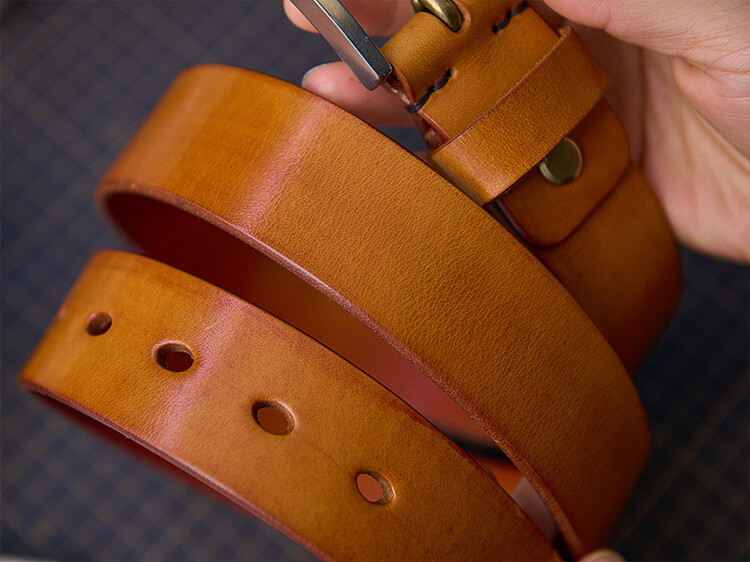
Patina: Excellent — vegetable-tanned leather develops one of the richest patinas among all leathers, gradually deepening from a light natural tone to a rich honey brown with sunlight and use
Water Resistance: Relatively low — untreated vegetable-tanned leather absorbs moisture easily and may develop water marks; applying leather oil or wax is recommended for improved protection
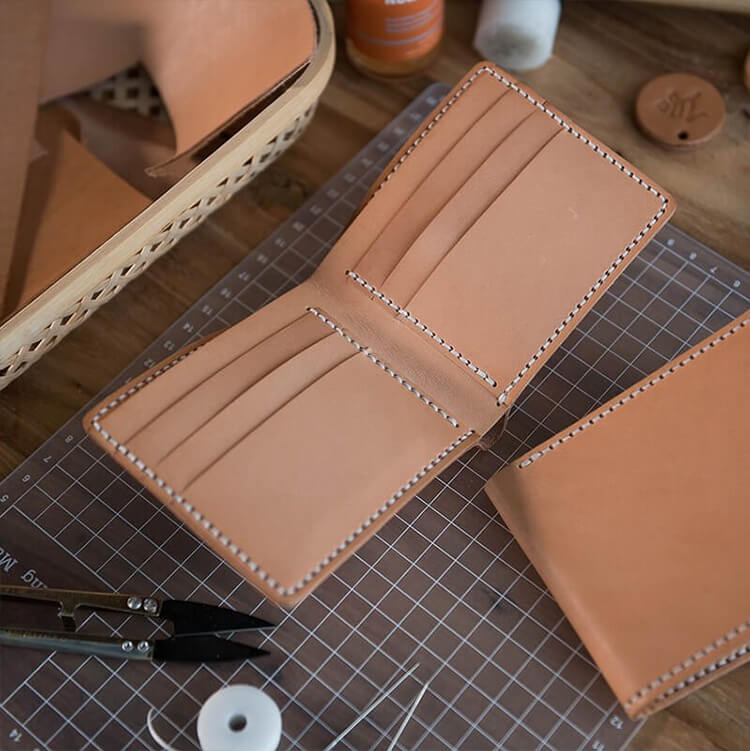
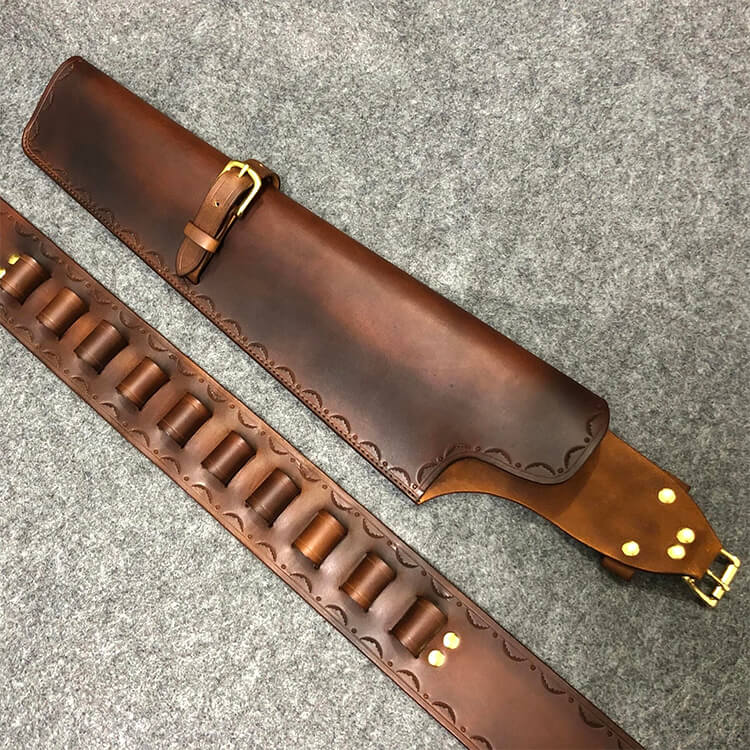
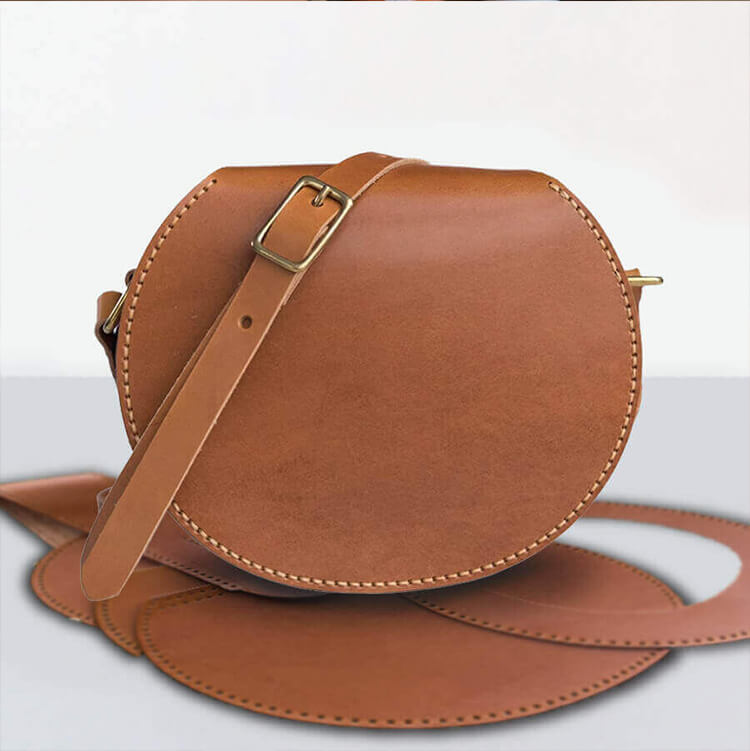
Common Applications: Leather carving projects, wallets, belts, bags, notebook covers, watch straps, knife sheaths, saddlery, footwear, and armor/cosplay props
Vegetable-Tanned Leather
Full-Grain Cowhide · Pure Vegetable Tanning · Toolable & Moldable · Rich Natural Patina
Vegetable-tanned leather is crafted using natural plant tannins extracted from bark, wood, and other botanical sources. It is one of the oldest leather-making methods in human history and remains the most respected type of leather among traditional leathercraft enthusiasts.
Unlike chrome-tanned leather, vegetable tanning uses no heavy chemical metals. Instead, natural tannins slowly bond with the leather fibers through a process that can take weeks or even months. This slow tanning method preserves the leather’s most natural fiber structure, allowing it to be carved, embossed, wet molded, and shaped by hand — making it the preferred choice for leather carving and artisan leatherwork.
Vegetable-tanned leather is also famous for developing one of the richest patinas of any leather. With sunlight, handling, and everyday use, the color gradually deepens from a light natural tone into a warm honey-brown shade, creating a unique character that becomes more beautiful over time.
Full-Grain Cowhide
Durable and long-lasting, resistant to cracking, peeling, and premature aging unlike bonded or synthetic leather.
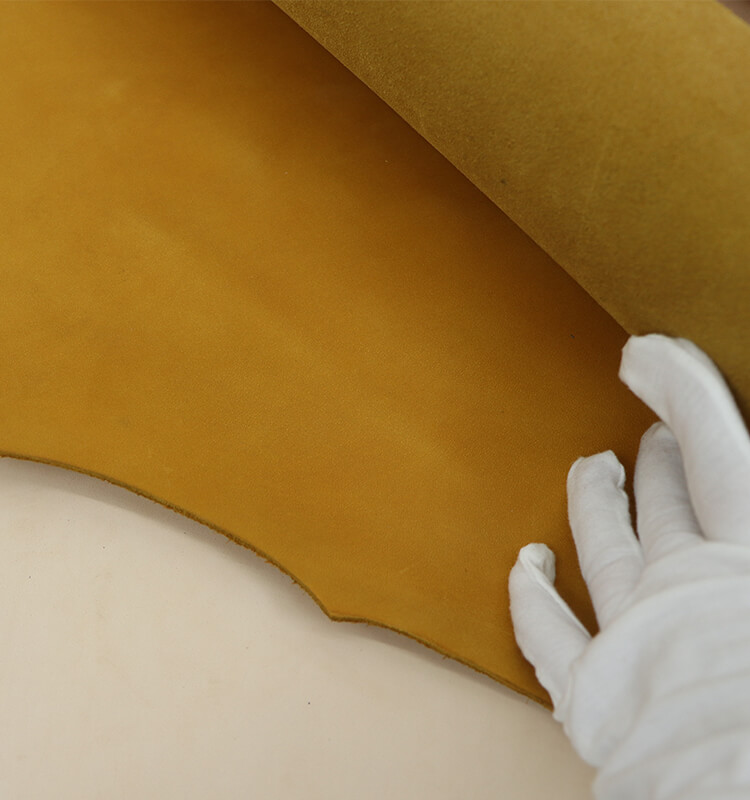
Natural Darkening Over Time
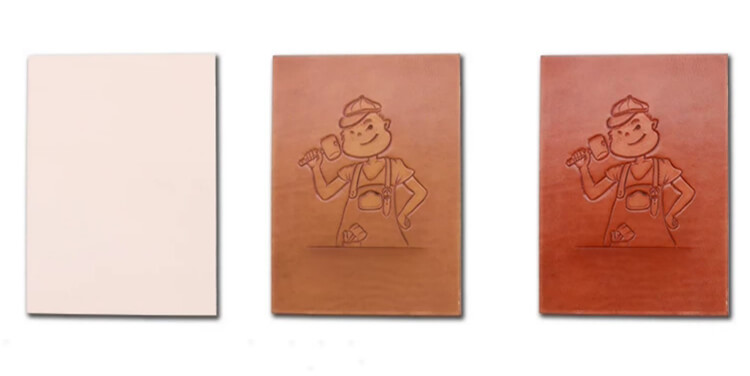
Natural vegetable-tanned leather gradually darkens with extended use and exposure over time. Applying leather oil, such as neatsfoot oil, can accelerate the deepening of the color. Proper conditioning and regular leather care also help maintain the quality, flexibility, and longevity of the leather surface.
Toolable & Moldable
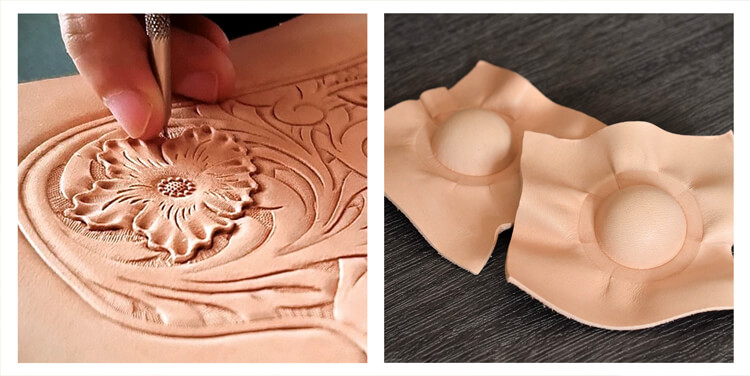
Vegetable-tanned leather is the only type of leather suitable for carving, stamping, and wet molding, making it the preferred material for leather carving artists and traditional leather craftsmen.
Even Dye Absorption & Consistent Color
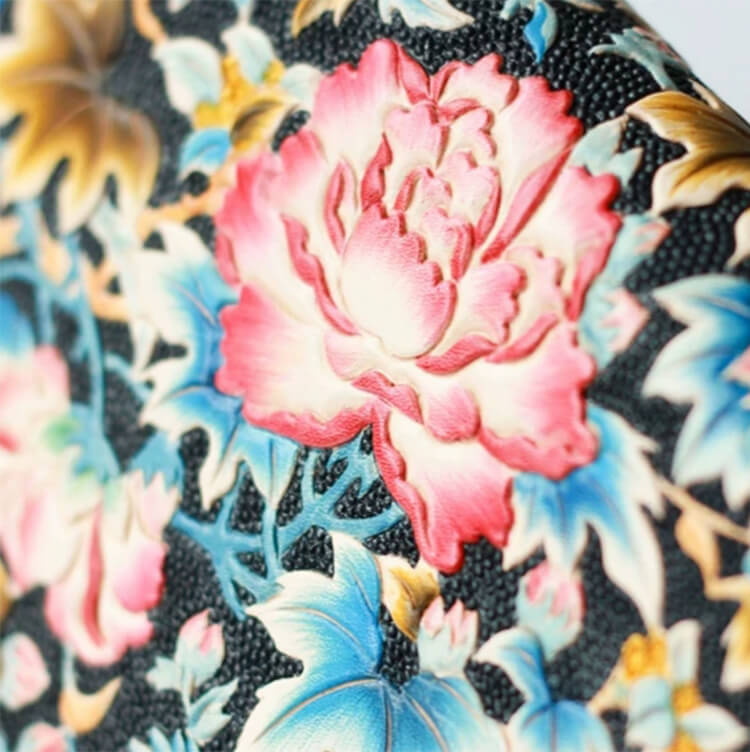
Vegetable-tanned leather features an open and uniform fiber structure, allowing dyes to penetrate evenly throughout the leather. This results in smooth, consistent coloration with minimal risk of uneven tones or blotchy dye marks.
Does vegetable-tanned leather have a smell?
Yes. Vegetable-tanned leather has a natural aroma from plant tannins, often described as a woody or bark-like scent. This is a characteristic of genuine vegetable tanning, and many people find it pleasant.
Will the color vary from the photos?
Yes. Vegetable-tanned leather naturally shows more color variation than heavily finished leathers because it has minimal surface coating. Natural grain and tonal differences are fully preserved. Especially for Natural Tan leather, each hide may vary slightly in shade, which is a normal characteristic of authentic vegetable tanning.
Will water leave marks on vegetable-tanned leather?
Untreated vegetable-tanned leather can absorb moisture easily and may develop water marks. Applying a light layer of leather conditioner, oil, or wax before use can greatly improve water resistance. If water marks appear, lightly dampening the entire surface evenly and allowing it to air dry naturally can often help reduce them.
Are natural scars, wrinkles, or marks considered defects?
No. These are natural characteristics of full-grain leather and proof of genuine hide. We carefully select our leather to minimize heavy imperfections, but slight natural markings may still be present.
Can thickness, size, or color be customized?
Yes. We support bulk customization for thickness, size, and color options. Please contact us for details. Minimum order quantities may apply.
How should vegetable-tanned leather be maintained?
Vegetable-tanned leather benefits from regular care. For new leather, we recommend applying a light layer of mink oil or leather conditioner as a protective base treatment. Avoid prolonged exposure to sunlight (unless you want to accelerate the color change). Periodically apply a thin layer of conditioner to keep the leather nourished and prevent dryness or cracking. Store in a dry, ventilated environment to avoid mold or moisture damage.